Find relief, save your tooth, and get your smile back
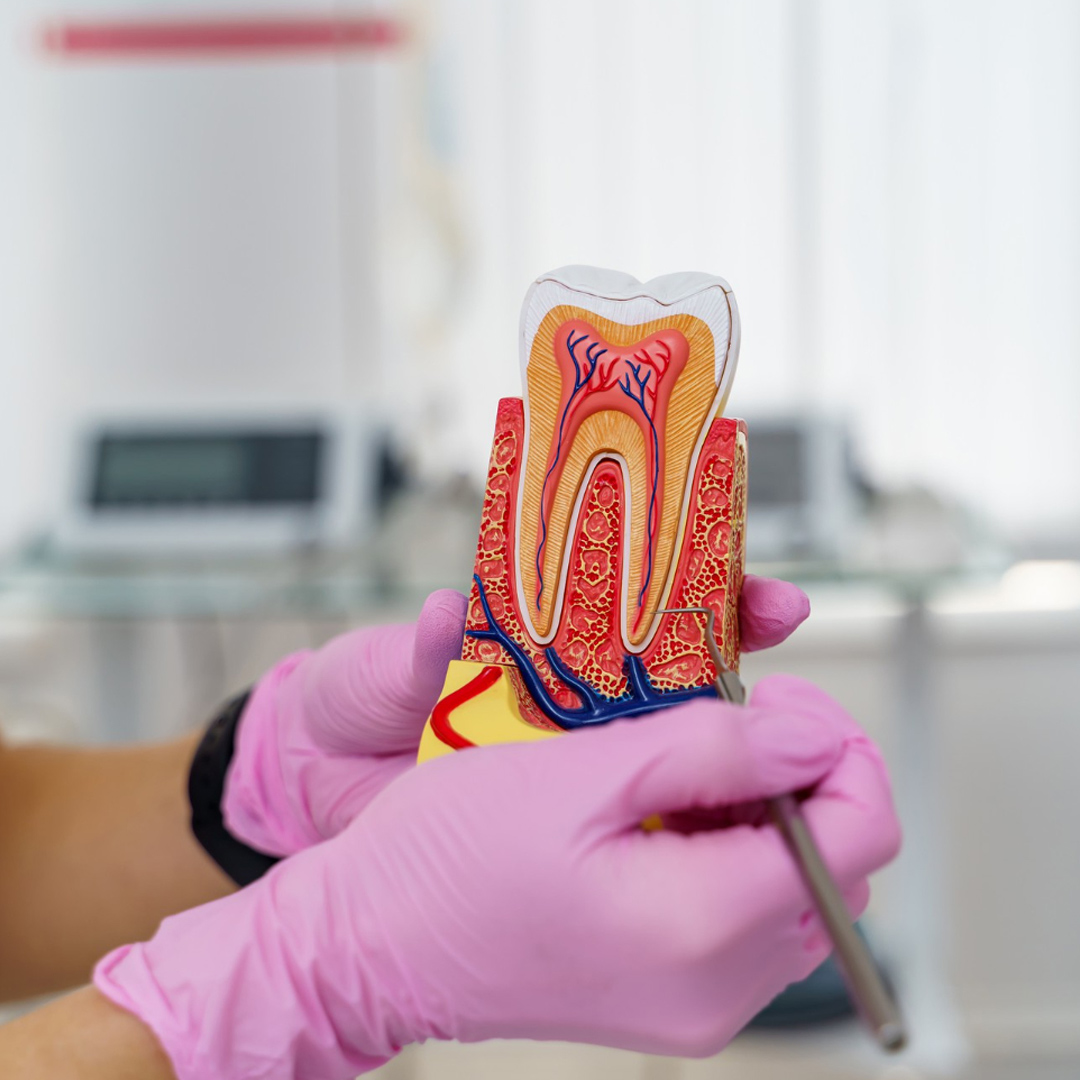
When your tooth becomes infected or seriously inflamed, the pain can be constant and relentless. At Quality Dental Care Mickleham, we use Root Canal Treatment to control the discomfort, clear out infection, and save your natural tooth. So that the extraction of your tooth is avoided.
With modern tools and advanced anaesthesia, root canals are much more safer and comfortable than people expect. The result is lasting pain relief and a tooth restored in strength and function.
Book an appointment
Signs You Might Need a Root Canal
When a tooth’s inside gets infected, it usually lets you know. Here’s what to watch for:
- Sharp pain when you bite or chew.
- Sensitivity that sticks around after eating hot or cold foods.
- An aching, throbbing toothache.
- Pain spreading into your jaw, ear, or head.
- Swelling, tenderness, or a small bump on your gums.
These all signals can mean that the pulp inside your tooth is infected or dying. Without proper treatment, the infection will keep spreading which will lead to bigger problems or tooth loss.
What Happens During a Root Canal?
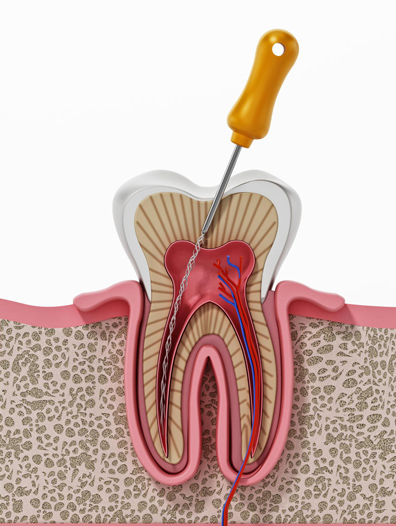
A root canal is a step-by-step process. Firstly the cavity inside your tooth is cleaned, disinfected, and then sealed. The main goal is to get rid of the infection, remove damaged tissue, and also keep the tooth intact. Root canals help to relieve the pain and infection of your tooth.
Despite the rumors, root canals actually fix pain — not cause it.
How does it work?
Here’s how we carry out the treatment:
-
We begin by taking an initial examination and an X-ray to determine just what is happening to the root and infection.
-
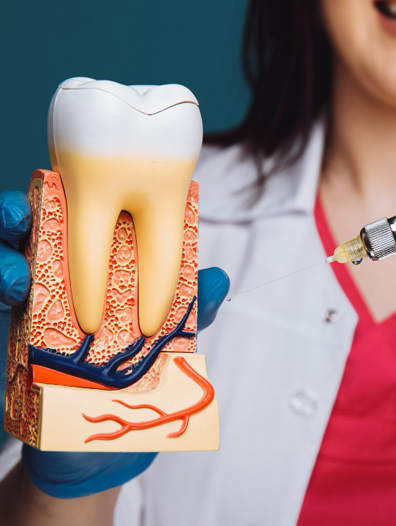
The local anaesthesia ensures your comfort during the procedure.
-
The tooth is opened up and the infected pulp is removed, the canals are shaped and disinfected.
-
We seal off all of this with a biocompatible material, so that there is no chance of reinfection.
-
Last but not least, we permanently restore the tooth, keeping it strong.
Book an appointment
Why You’ll Probably Need a Crown?
Once your tooth has had a root canal, it will be more susceptible to breaking. It is typically recommended that we protect it by doing the following:
-
A CEREC (computer aided design and computer aided manufacturing) restoration or porcelain crown for durability.
-
A tooth-colored material that can be used and looks just like your original tooth.
We can often complete the crown in one visit with our on site facilities.
Book an appointment
Benefits of Root Canal Treatment
- Stops pain and infection
- Saves your natural tooth
- Prevents infection from spreading
- Restores chewing and speaking
- Costs less than removing and replacing the tooth
Don’t Delay
If you see symptoms, seek assistance as soon as possible. Early treatment increases your chances of saving the tooth and avoiding more involved (and costly) treatment in the future. At Quality Dental Care, we take care of every detail, are sensitive to your needs, and are highly skilled in what we do!
Book an appointment
Frequently Asked Questions
1. Is root canal treatment painful?
No. The procedure is performed under local anaesthetic, so you shouldn’t feel
any pain during treatment. Most patients report that it feels no different than
having a filling done.
2. How many appointments are needed?
Root canal treatment typically takes 1 to 2 visits, depending on the complexity
of the infection. We’ll let you know what to expect during your consultation.
3. Why can’t I just have the tooth removed?
While extraction is sometimes necessary, saving your natural tooth is almost
always preferable. Root canal treatment allows you to maintain your bite,
prevent shifting teeth, and avoid needing a replacement like an implant or
bridge.
4. Will I need a crown afterward?
Yes, in most cases. A crown or porcelain restoration is strongly recommended to
protect and reinforce the tooth, preventing fractures and restoring normal
function.
5. How long will a root canal-treated tooth last?
With proper care and a protective crown, a root canal-treated tooth can last
many years—even decades. Regular check-ups and good oral hygiene are key.
6. What if I ignore the symptoms?
Delaying treatment can allow the infection to spread, leading to abscess
formation, bone loss, or even systemic health issues. It’s always best to act
early and preserve your dental health.
Ready to enhance your smile?
Book your consultation today and begin your journey toward a brighter, more
confident smile.
Book an appointment