Dental Bridge Treatment
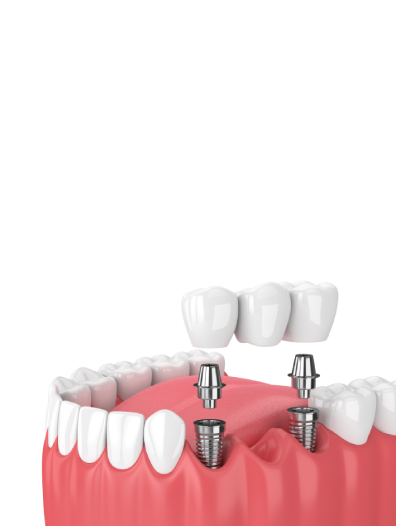
A dental bridge is a restoration process to replace a tooth. It is attached to the teeth on either side of the missing tooth. It helps to restore the chew and also helps to speak properly. It also prevents the shifting of the teeth.
Book an appointment
Types of Dental Bridges:
- Maryland Bridge
- Fixed Bridge (Traditional Bridge)
Your dentist will recommend the most suitable type of bridge based on your oral health and individual needs.
Maryland Bridge
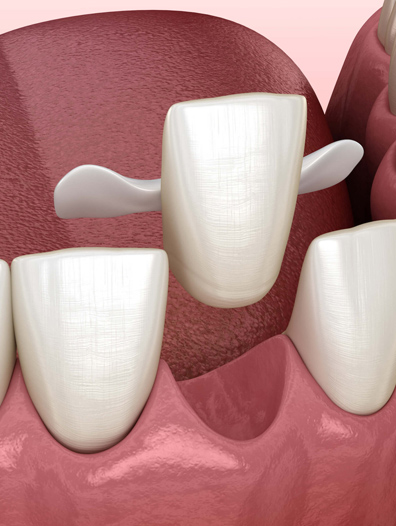
This kind of bridge is frequently used to replace front teeth. It has a wing that is attached to the nearby teeth.
Key Advantages:
- Does not need much work on teeth.
- It is safe and secure; it offers a nice feeling.
- Not too costly.
- Can be prepared in two weeks.
Fixed Bridge
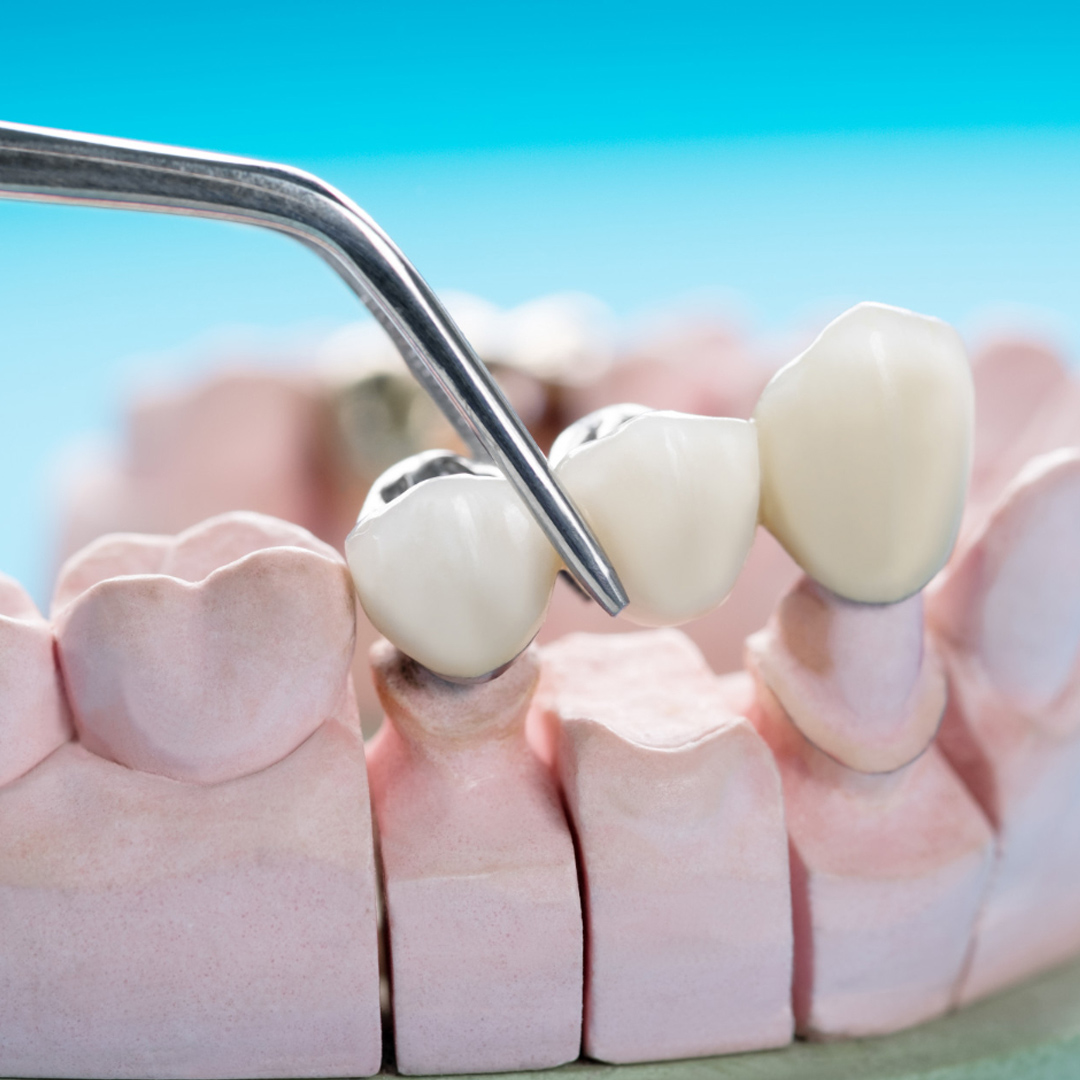
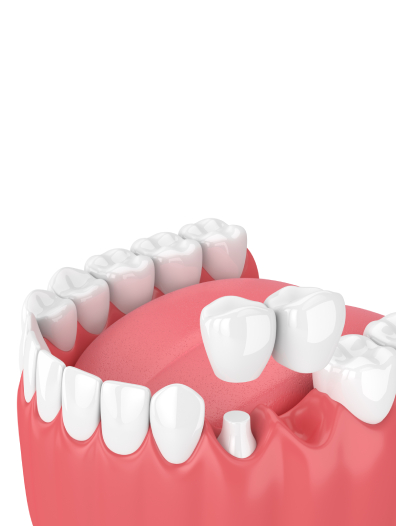
It is a bridge that is cemented on the teeth adjacent to the missing tooth using crowns.It is a type of bridge that uses crowns to cement into place on the teeth on both sides of the gap.
Key Advantages:
- It can replace one or more teeth!
- A sturdy robust character.
- It is possible to create it quicker than an implant.
- It can support the teeth adjacent to it.May reinforce the teeth next to it.
What to Expect During the Procedure
-
Consultation and Assessment: Your oral health is examined and the best type of bridge for your needs are discussed.
-
Tooth Preparation (for Fixed Bridges): The supporting teeth of a Fixed Bridge are slightly curved to allow the placement of crowns. Little or no preparation is needed for a Maryland Bridge.
-
Impressions: A precise impression is made to ensure that the new bridge is a perfect fit for your bite and smile.
-
Temporary Bridge: A temporary bridge is installed until the permanent bridge is ready, which is made in the lab.
-
Final Placement: When you have a custom bridge, it takes about two weeks to be completed, and then we cement it in place and adjust it for comfort and fit.
Book an appointment
Caring for Your Bridge
If you take proper care of your bridge, it can last many years. To keep it in excellent condition:
- Brush and floss every day, particularly under the bridge.
- Special flossing tools are used to floss around the pontic.
- Regularly visit the dentist and dentist hygienist for check-ups and cleanings.
- Don’t bite things or use your teeth to open or chew things.
We’ll help you learn how to take care of your bridge and check the condition of your bridge during your routine visits.
Book an appointment
Frequently Asked Questions
1. How long do dental bridges last?
With good
oral hygiene and regular dental care, bridges can last 10–15 years or
more. The longevity depends on the type of bridge and how well it’s maintained.
2. Is the bridge procedure painful?
No. The procedure is performed under local anaesthetic, and most patients report
little to no discomfort during or after treatment.
3. Can I eat normally with a dental bridge?
Yes. Once your bridge is placed, you can return to eating most foods. We
recommend avoiding very hard or sticky items that could dislodge or damage the
bridge.
4. Will the bridge look natural?
Absolutely. Our bridges are custom-made to match the colour, shape, and contour
of your natural teeth, resulting in a seamless appearance.
5. Is a bridge better than a dental implant?
It depends. Bridges may be a better option if the surrounding teeth need crowns,
or if implant surgery isn’t suitable. We’ll discuss both options and help you
decide what’s best for your case.
6. What if the adjacent teeth are healthy—can I still get a bridge?
Yes, but we may recommend a Maryland Bridge to preserve the adjacent teeth. If
minimal preparation is a priority, that may be the better option for you.
Restore Your Smile with Confidence?
If you’re missing a tooth—or multiple teeth—a dental bridge from Quality Dental
Care can help you chew, speak, and smile with ease again.
Whether you’re considering a Maryland Bridge or a Fixed Bridge, we’ll customise
your treatment to suit your needs and deliver a result that’s comfortable,
functional, and natural-looking.